Residential Architecture: 6 Ideas to Make the Most of Outdoor Living Spaces

Fred Wilson, AIA
Founding Partner at Award Winning Chicago Architects, Morgante Wilson
Jul 15, 2026 - 5 min read
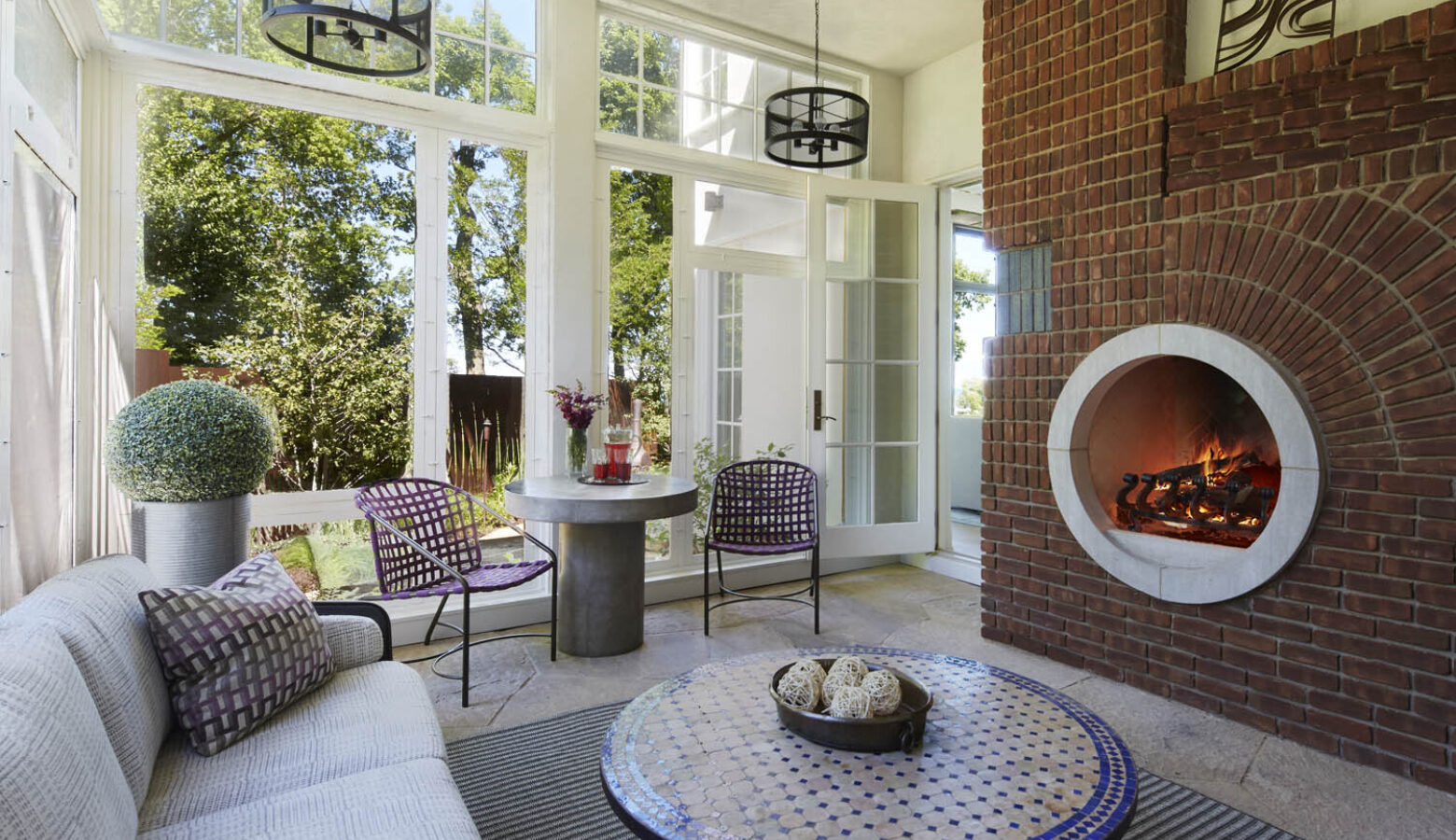
A well-designed outdoor living space changes the way a home feels and functions. Clients often come to us wanting a backyard that enhances daily life – one designed with the same care and attention evident inside the house. They want places to cook, gather, relax, and enjoy the landscape without sacrificing comfort or architectural character. At Morgante Wilson Architects, we know the best outdoor spaces respond naturally to their site, climate, and the lifestyle of the people who use them.
Here are six ideas for outdoor living spaces we love to suggest to anyone seeking a lovelier, more livable property.
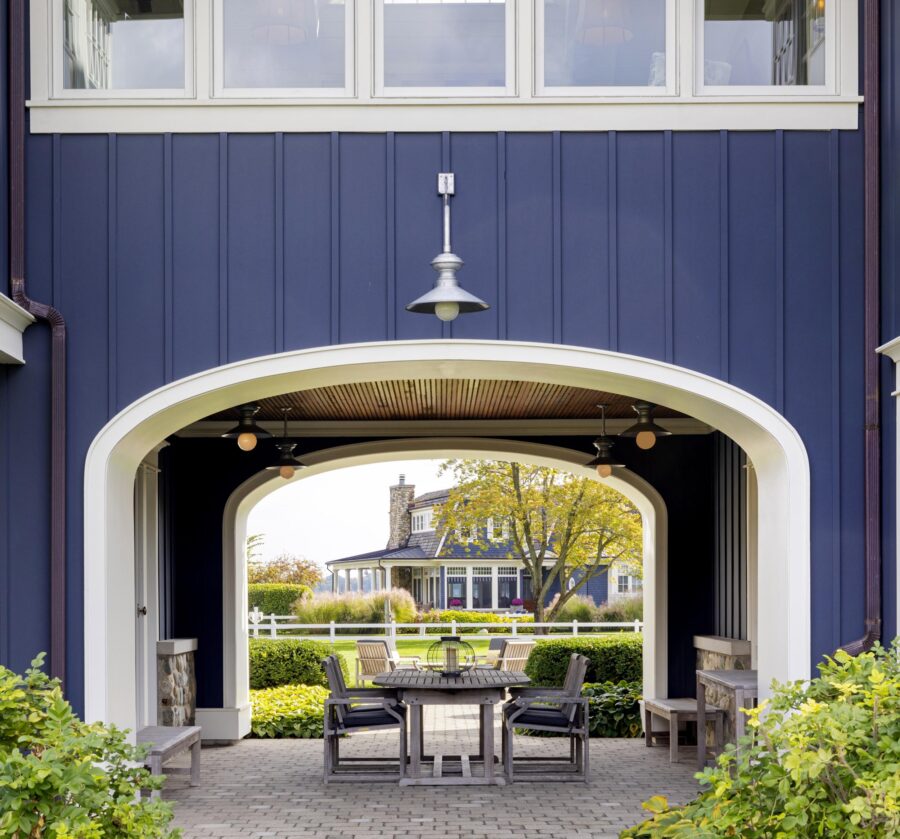
1. Covered Outdoor Kitchens for Everyday Use
An outdoor kitchen works best when it feels permanent and integrated into a home’s architecture, rather than when it’s added later as a standalone feature. We often include built-in grills, refrigeration, storage, durable countertops, and lighting beneath a covered structure. A roof extension or pavilion allows clients to cook comfortably through multiple seasons while creating a natural gathering point for family and guests.
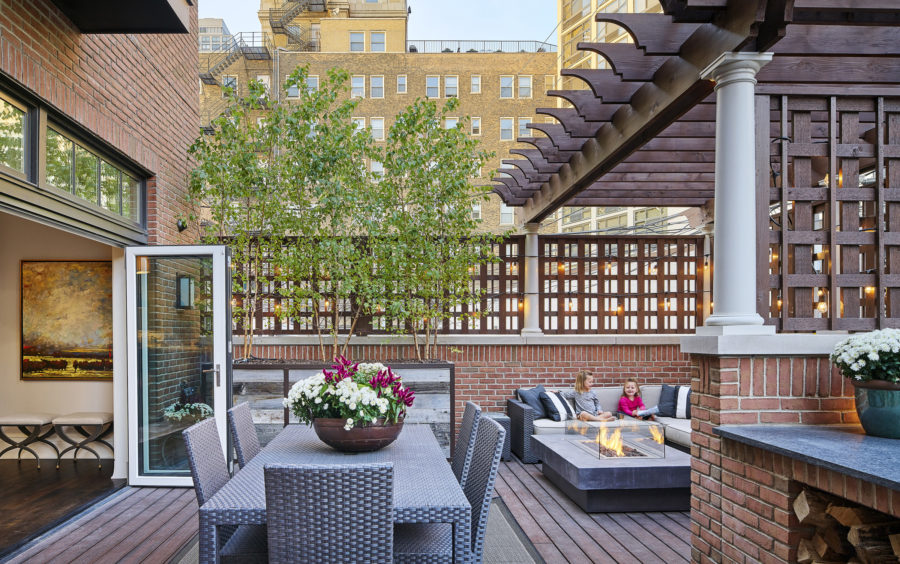
2. Transitional Patios That Extend Interior Living Areas
One of the most effective outdoor living ideas involves creating a seamless connection between indoor and outdoor rooms. Large sliding glass doors called Nana Walls (our favorites!), continuous flooring materials, and even repeating ceiling details can help patios feel like an extension of the home itself. Not only do these spaces support entertaining, but they also improve natural light and views from the interior.
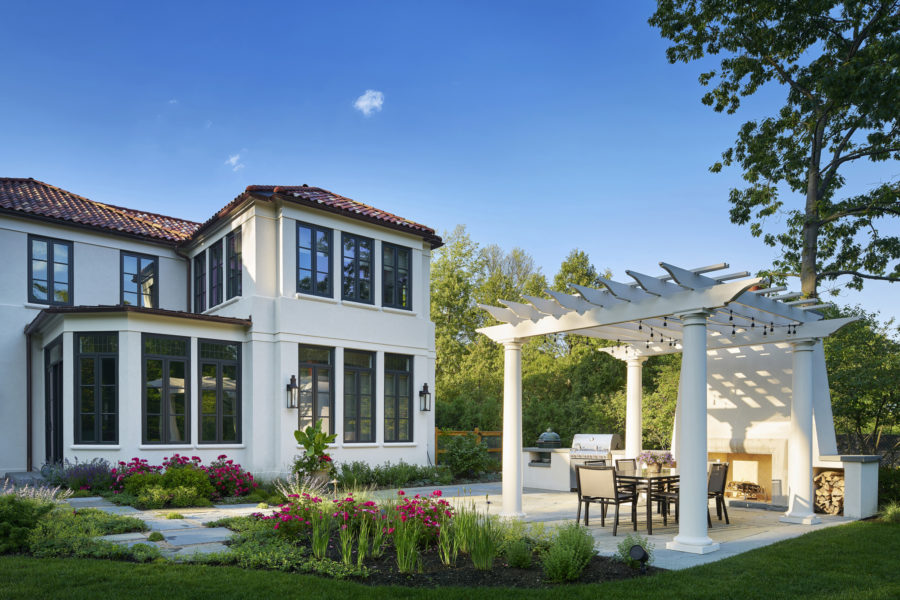
3. Fire Features That Create Year-Round Gathering Spaces
Fireplaces and fire tables continue to be among our most requested elements in residential architecture. A thoughtfully placed fire feature encourages people to take advantage of outdoor space longer into the evening and across cooler months. Think roasting s’mores, wrapping yourself in a cozy blanket as the evening chills, and sharing conversation beneath a rising moon. Need I say more? (Actually, I will say one thing more: make sure to have plenty of comfortable seating to nestle into as you enjoy that fire!)
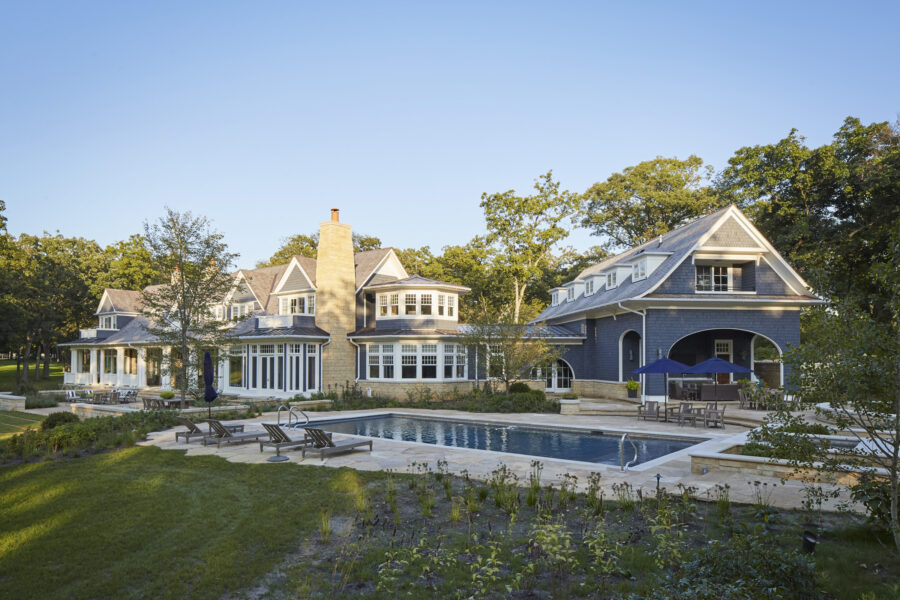
4. Pool Areas Designed with Intention
A pool becomes far more successful when the environment surrounding it receives equal attention. We design pool terraces with layered seating areas, integrated planting, shaded lounges, and lighting that enhances the experience after sunset. Rather than feel like an add-on, a pool area planned upfront to be an extension of a home’s architecture, landscape design, and circulation patterns makes a tremendous difference to the way it lives and looks.
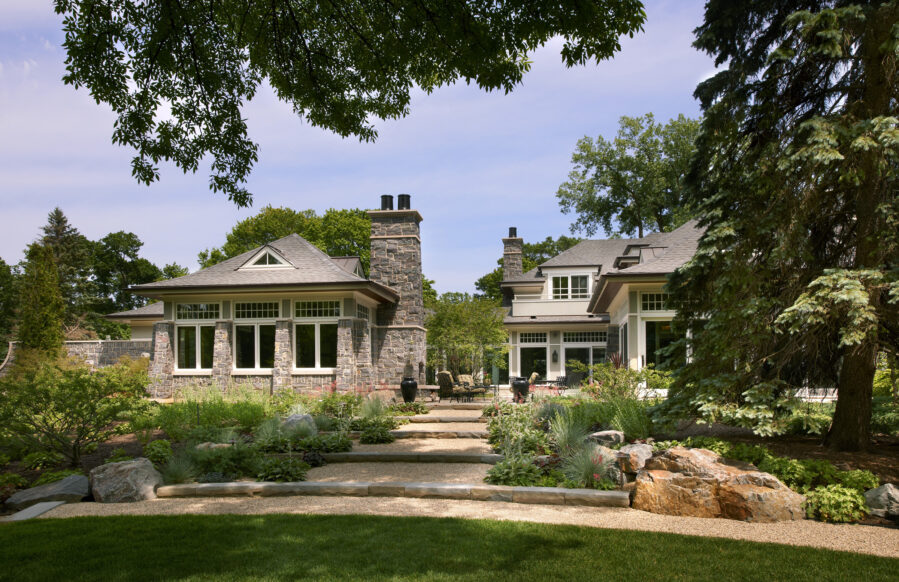
5. Outdoor Rooms Framed by Landscape Architecture
It’s a basic rule of residential design that successful landscaping should support a home’s architecture rather than compete with it. Defined planting areas, low retaining walls, and carefully positioned trees can establish privacy while giving outdoor rooms a welcome sense of enclosure that puts people at ease. We love demonstrating for our clients the way strategic landscape design softens larger homes and improves the overall appeal of their property. We also love partnering with the many talented landscape designers we’ve been fortunate to work with over the years to achieve those goals.
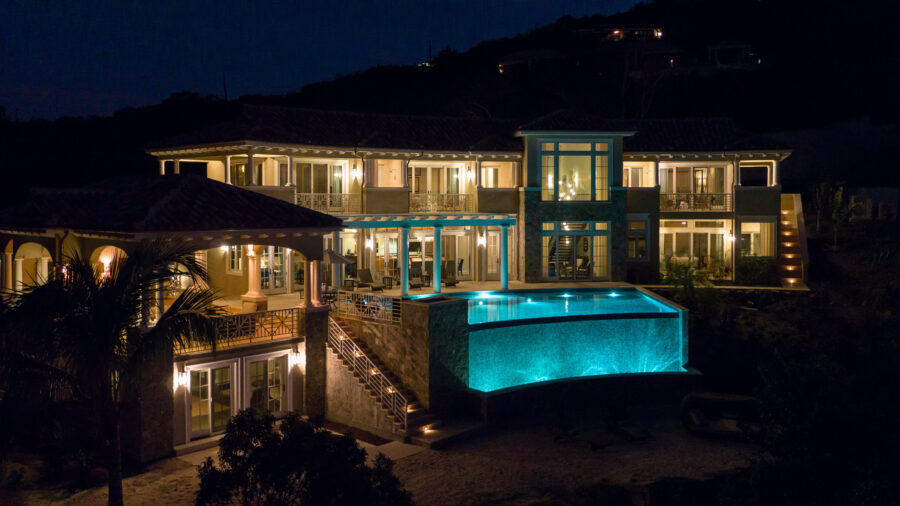
6. Multi-Level Terraces for Challenging Sites
Sloped properties present opportunities for creative outdoor living design. Multi-level terraces can organize dining areas, lounges, spas, and gardens into distinct zones connected by stairs, walls, and integrated lighting. These projects require careful, site-specific architectural planning, often with truly dynamic results.
In short, successful outdoor living design depends on more than furniture and finishes. Proportion, circulation, material consistency, drainage, lighting, and climate response all influence how comfortable a space feels – and functions – over time. When outdoor areas are planned alongside a home’s architecture, the result is cohesive and lasting, rather than simply decorative.
If you’re considering a renovation or new construction project, investing in outdoor living space design often improves both daily life and long-term property value. Follow us on Instagram – and check out our website – for more ideas on how you can strengthen the connection between your home and the landscape around it.